Agrofestry System and Biological Insecticide Development
The Asociación de Productores de la Sierra Nevada de Santa Marta Tayronaca (often referred to as Asociación Tayronaca) is a non-profit organization based in Santa Marta, Magdalena, Colombia.
Tayronaca is dedicated to the social and economic development of small-scale producers in the Sierra Nevada de Santa Marta region. The association includes around 350 producers of specialty coffee and gourmet cacao.
Members are involved in sustainable agriculture, with a focus on organic and fair trade practices.
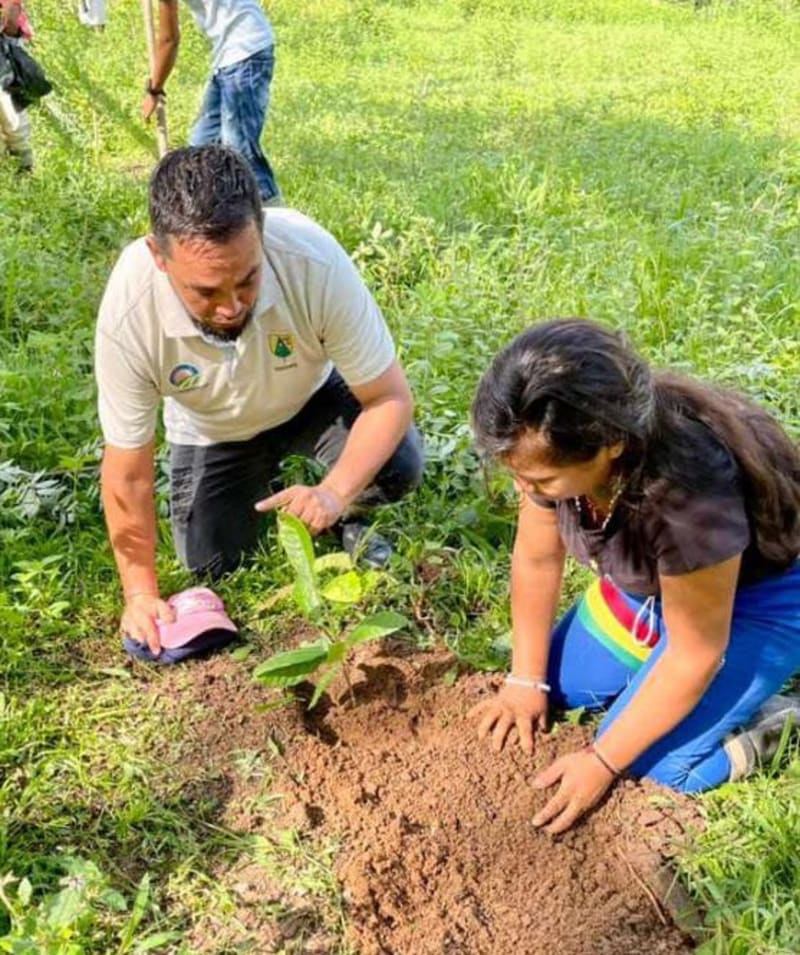
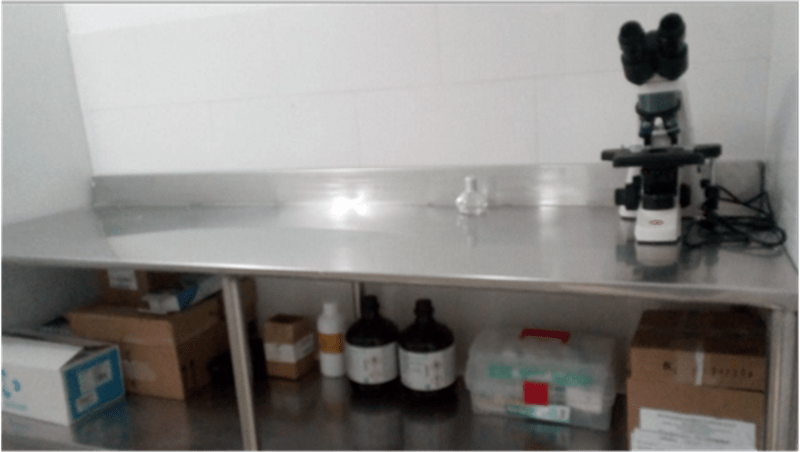
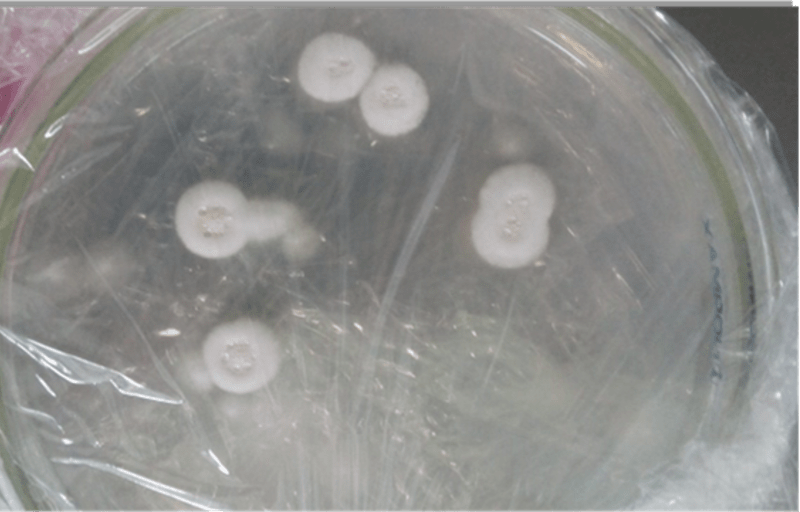
Their products are not just commodities, they are recognized as expressions of their community and heritage. The association has several ongoing projects that are self- funded but also augmented with Fair Trade Community Development Funds. Overall, $287,840 USD in Fair Trade Premium was allocated to a wide range of projects geared to the support the producers, their productivity and to the health of their land. Two example long-term investment projects include one focused pest control and agroforestry for CO₂ absorption. These projects among others were designed to support and benefit the 350 cooperative members and the health of their livelihoods. Investing in $8,600 USD in laboratory equipment was central to the pest control program and the development of the Bauveria Mushroom (Beauveria bassiana) is a is a naturally occurring entomopathogenic fungus. Its spores are effective against Aphids, Whiteflies, Thrips, Mealybugs, Caterpillars, Beetles, Termites and Spider mites. The spores attach to the insect and overtime consume and breakdown the exoskeleton. It is a preferred biological insecticide option as it is biodegradable, non-toxic to humans and animals and approved for organic farming. It also reduces pesticide resistance in pests. A laboratory was installed for the development of Bauveria Bassiana to facilitate isolation of beneficial fungi from soil, plants, or insects, solid substrate production to mass-produce fungal spores for agricultural use, and Trichoderma sp tests to assess for effectiveness in soil health improvement, root growth stimulation, and disease resistance. Agroforestry system for CO₂ capture was implemented in the Chimila region, Los Corazones village. Improved soil health, biodiversity, and water retention are a result of the absorption of CO₂ occurring via photosynthesis. This method of planned diverse planting with species with high carbon sequestration is integrated with local farming practices to help with rehabilitation of degraded lands and long term sustainability. With an investment of $64,770 USD, 25 hectares of coffee and macadamia, 25 hectares of avocado and macadamia 25 hectares of cacao. The 2025 projection aims to establish 15,000 cocoa plants and 50,000 coffee plants.
- Premium
- $287,840
- Beneficiaries
- 89
- Country
- Colombia
Source: published Fair Trade USA impact stories, as of 2026-09-17 11:53:56.