Fair Trade Committee Workers Leading Decisions That Matter
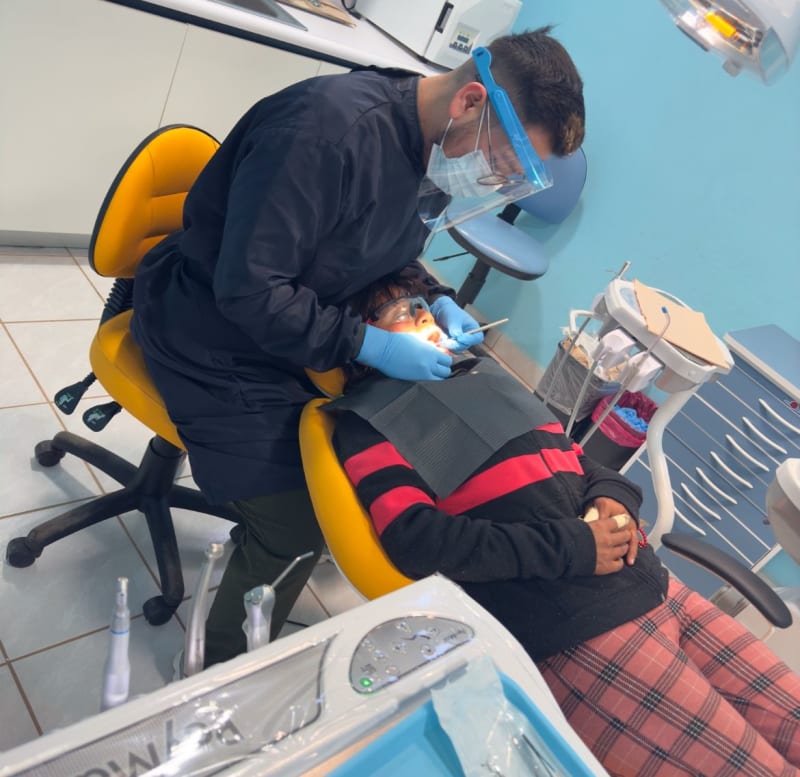
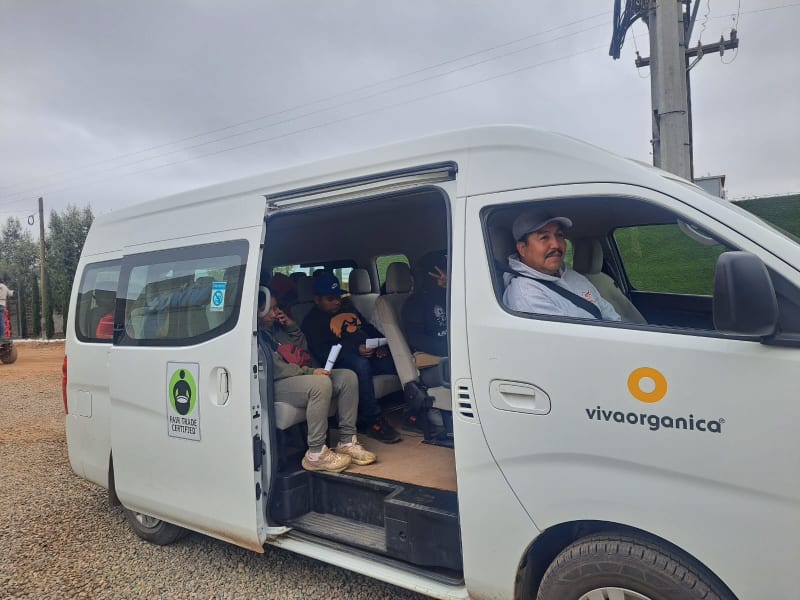
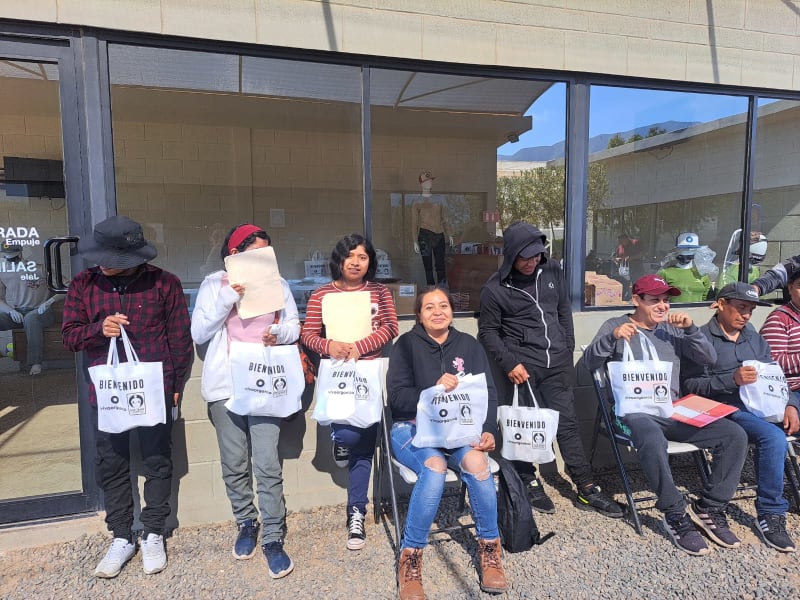
At AC1 Culiacán (Viva Organica) in Ensenada and Sinaloa, Mexico, tomato workers leveraged the Fair Trade model throughout 2025 to address shared priorities across their worksites. Workers elected their representatives to the Fair Trade Committee, conducted a needs assessment and prioritized the initiatives. Education, health care, and essential daily services emerged as key current focus areas affecting agricultural workers and their families. Education received a significant allocation of the Community Development Funds. Workers approved $143,020 USD in scholarships, supporting 893 employees’ children during the school year. To further promote learning, an additional 19 adults enrolled in adult education programs, and 28 employees pursued their own studies with financial support. These investments directly reduced household education expenses and fostered a culture of continuous learning for both children and adults. Healthcare was another central priority. Recognizing that limited access to basic eye care was an ongoing concern affecting safety and well-being, the Fair Trade Committee proposed continuing the previous year’s Vision Care project. In 2025, workers voted to reinvest $14,580 USD to carry the ophthalmological care project forward. The committee coordinated professional eye exams and related services, reaching 900 beneficiaries in 2025, in addition to the 1,069 workers who participated in 2024. This initiative helped workers avoid out-of-pocket expenses that can strain household budgets. The Committee also invested $10,780 USD in dental services, providing cleanings, fillings, and extractions to 1,715 individuals. Beyond education and health, workers directed funds toward practical services that support daily stability. An allocation of $29,020 USD funded welcome kits for 2,921 migrant workers, providing essential items like toothbrushes, shampoo, and toilet paper to assist them during their first two weeks of working at the farm. Another $30,510 USD supported an affordable laundry service used by nearly 11,800 workers, and $16,670 USD enabled transportation services for 2,400 employees to attend medical appointments and manage personal responsibilities. These investments demonstrate how the Fair Trade model operates in practice. Workers identify shared needs, learn to prioritize resources through a structured and democratic process, and put plans into action through their elected Fair Trade Committee. By leading decisions on education, healthcare, and daily services, they take an active role in shaping solutions that reflect their realities and improve their quality of life.
- Premium
- $244,580
- Beneficiaries
- 3,152
- Country
- Mexico
Source: published Fair Trade USA impact stories, as of 2026-09-17 11:53:56.