A Committee in Action
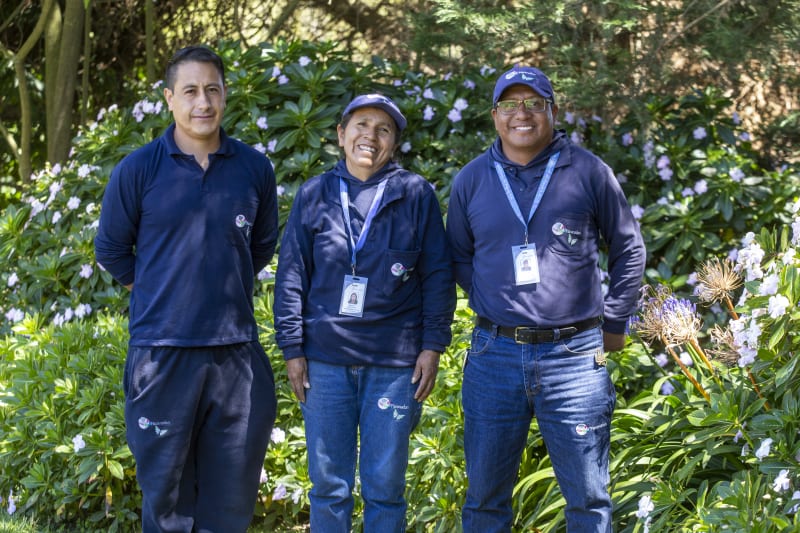
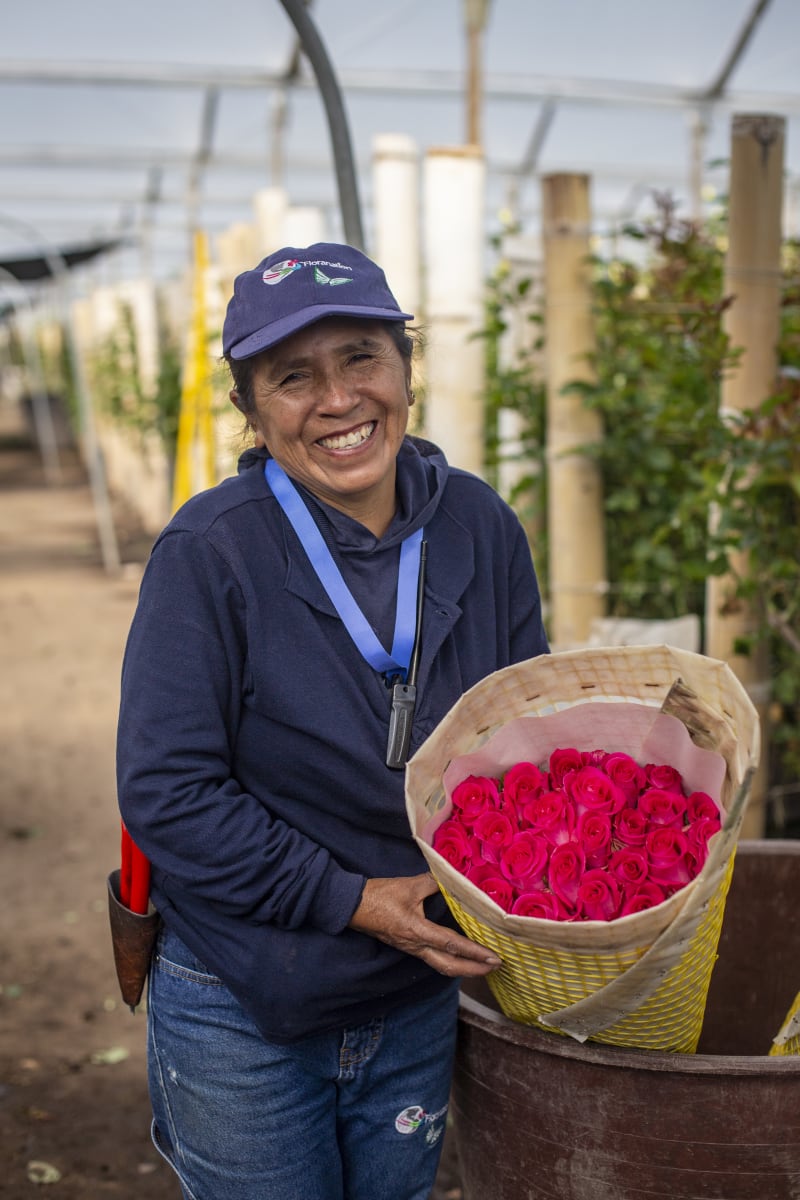
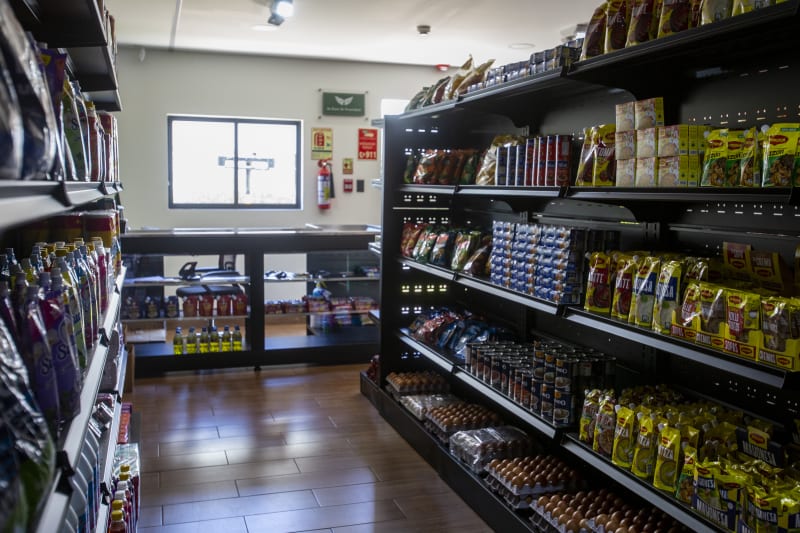
At Floranation, a flower farm located in Latacunga, Ecuador, the workers themselves are at the very center of how Fair Trade takes shape in daily life. When Fair Trade Certification was first introduced three years ago, many employees approached it with understandable uncertainty. They did not yet know how the Community Development Funds could be invested or how decisions would be made. Training sessions helped explain the basics, but the true scale of what they could achieve and experience only became clear over time. "I remember that at the beginning they told me that in this case the benefit of the certification was for the workers, different than the other certifications Floranation has where the benefit is for the company," says Luis Palma, Secretary of the Fair Trade Committee. The creation of the worker-led Fair Trade Committee marked a profound turning point. Led by individuals who have each spent over a decade with the company, this dedicated group was given significant responsibility. Aida Romero, the committee president, describes how they navigate their choices: "A challenge is not being able to meet everyone’s needs or fulfill all desires. That is why we carry out needs assessments to define priorities and projects." Through this democratic process, committee members have developed valuable new skills that extend far beyond their daily agricultural roles. They actively manage budgets, hire essential services, and oversee payments to suppliers. These responsibilities provide practical experience in accounting and administration. José Luis Domínguez, Administrative Manager at Floranation, shared: "Like any company, we had a social responsibility area, but with Fair Trade, the change was 180 degrees because we started to have a fund that allows us to carry out projects for workers and the community." The projects funded through these collective decisions reflect a wide range of practical priorities. One of the most celebrated investments is a centralized laundry service. Before this facility, women frequently washed clothes by hand at the river or on wash stones, a task that consumed entire weekends. Blanca Carrera, a packing house worker, shared the reality of that burden: "There were coworkers who washed clothes in the river or on the wash stone. We did not have time on weekends for our children. We could spend up to a full day washing." Today, workers drop off their clothes before a shift and collect them clean and folded at the end of the day. "I save time, water, and electricity," Blanca noted. Alongside the laundry service, a daily lunch program covers meals, allowing workers to redirect their income toward pressing family expenses. Additionally, an on-site minimarket offers essential household goods at highly accessible prices. Beyond daily convenience, the committee also invested heavily in long-term health and education. In a nearby community, they installed a modern computer room at the Félix Valencia school, directly supporting local students and the children of workers. On the farm, a fully equipped medical and dental center now provides comprehensive care. Because the clinic extends services to immediate family members at no cost, workers can address critical health needs without financial strain. The workers continue to assess their needs and identify new future priorities, including reliable transportation to the farm and better recreational spaces. For many, the travel distance from home to work remains a significant daily challenge, with some leaving home as early as 4 a.m. to arrive on time. Looking ahead, these discussions remain a vital part of the committee’s ongoing work, proving that collective, worker-led investments create lasting social change. The success at Floranation serves as a powerful reminder of the human impact behind every purchase. Reflecting on this journey, José Luis Domínguez shares a direct message for shoppers: "I would tell consumers to always look for a product that says Fair Trade (Certified), because they cannot imagine how much those extra cents improve the lives of the people here, the people who grow the flowers."
- Premium
- Not stated
- Beneficiaries
- Not stated
- Country
- Ecuador
Not stated means this story's record carries no figure for this field. It is not a zero.
Source: published Fair Trade USA impact stories, as of 2026-09-17 11:53:56.